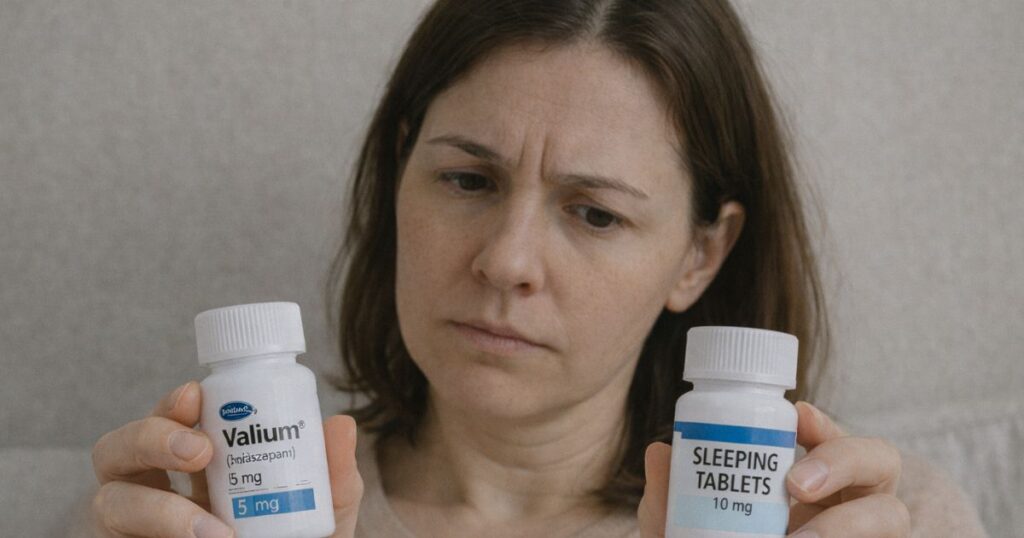
Valium for Sleep: Latest Research Findings and Implications for Consumers
Valium (diazepam) is a benzodiazepine best known for treating anxiety, muscle spasms, and certain seizure conditions. Some people also associate it with sleep because it can cause sedation and help you feel calmer at night. However, using Valium specifically for insomnia is a more complex topic than many consumers realize—especially in the UK, where prescribing rules and safety warnings around benzodiazepines are increasingly emphasized.
This guide reviews the latest research on diazepam and valium for sleep, what the findings mean in real life, and how consumers can make safer decisions with their clinician.
Quick Context: Is Valium Actually a Sleeping Pill?
Valium can make you feel sleepy, but that doesn’t automatically mean it improves healthy sleep. Benzodiazepines can change sleep structure (how your sleep stages are organized), which may affect how restorative your sleep is—even if you fall asleep faster or wake less often.
In UK clinical guidance, benzodiazepines are generally positioned as short-term options for specific situations rather than long-term insomnia solutions.
Latest Research Findings: What the Evidence Suggests
Sleep Architecture: Benzodiazepines Can Shift Sleep Stages
A large systematic review on benzodiazepines and sleep architecture reported patterns such as increased Stage 2 non-REM sleep and reduced deep sleep (Stages 3 and 4) and reduced REM sleep. In plain terms: some people may experience “more sleep” on paper, but potentially less of the deeper, restorative stages that matter for recovery, memory, and daytime function.
- Potential perceived benefit: fewer awakenings and easier sleep onset for some users
- Potential downside: less deep sleep and REM sleep, which can affect next-day quality
Chronic Use May Further Disrupt Sleep in the Long Run
More recent observational research in a sleep medicine journal reported that chronic benzodiazepine/BZRA use in people with insomnia was associated with additional sleep-architecture disruption compared with insomnia alone, including less deep sleep. This matters because many consumers assume continued use equals continued benefit—but sleep quality can evolve over time.
Effectiveness vs Risk: Strong Short-Term Effects, Trade-Offs Over Time
Some broader analyses comparing medication classes for insomnia have found benzodiazepines can score highly for short-term efficacy, but that doesn’t erase the practical risks (tolerance, dependence, next-day impairment). The key consumer takeaway: “works” and “works safely for me” are not the same question.
What’s New for UK Consumers: Safety Messaging Is Being Strengthened
In January 2026, the UK’s MHRA announced strengthened warnings on medicines used for pain, anxiety, and insomnia—including benzodiazepines—emphasizing risks of dependence, addiction, tolerance, and withdrawal. This doesn’t mean these medicines can’t be used; it means the system is pushing harder for informed, cautious use and better patient understanding. Benefits Consumers Commonly Report (And Why They Happen)
When Valium is used at bedtime (only when prescribed), consumers commonly describe:
- Faster sleep onset because anxiety and physical tension reduce
- Fewer night-time awakenings due to sedative effects
- Short-term relief during acute stress or crisis periods
These experiences are consistent with how benzodiazepines act in the brain—but they need to be balanced against the risks below.
Risks Consumers Need to Take Seriously
Tolerance and Reduced Effect Over Time
With repeated use, your body can adapt, meaning the same dose may feel less effective. This can tempt people toward dose escalation (which should never be done without a prescriber). Tolerance is part of why UK guidance generally frames benzodiazepines as short-term treatments.
Dependence and Withdrawal
Dependence risk rises when benzodiazepines are used regularly over time. Stopping suddenly after regular use can cause withdrawal symptoms and “rebound” insomnia (sleep problems that return, sometimes worse). Recent UK safety communications highlight the importance of understanding this risk before starting treatment.
Next-Day Impairment and Safety Concerns
Valium can cause next-day drowsiness, slowed reaction time, and reduced concentration—especially if you don’t get a full night of sleep or if you’re sensitive to sedatives. For consumers, this matters for driving, work performance, and fall risk (particularly in older adults).
Interactions With Alcohol and Other Sedatives
Combining Valium with alcohol, opioids, or other sedatives can be dangerous. UK safety updates continue to reinforce caution around these combinations.
Practical Implications: What This Means If You’re Considering Valium for Sleep
If you’re discussing Valium for sleep with a clinician, the “best practice” consumer mindset is:
- Short-term thinking: if used at all, it’s usually for limited periods
- Clear goals: what problem are we solving (sleep onset, night waking, anxiety-driven insomnia)?
- Exit plan: how and when will the medication be reduced or stopped (if appropriate)?
- Bigger sleep plan: consider CBT-I, sleep hygiene, and treating underlying anxiety
UK prescribing summaries commonly emphasize short-term use (often described as around 2–4 weeks) for benzodiazepines/hypnotics, rather than ongoing nightly use.
Frequently Asked Questions
Does Valium improve sleep quality or just make you sleepy?
It can make you sleepy and may reduce awakenings, but research suggests benzodiazepines can change sleep stages (often less deep sleep and REM). This is one reason clinicians may be cautious about using Valium as a dedicated insomnia solution.
Is Valium recommended for long-term insomnia?
Generally, long-term use is not recommended due to tolerance, dependence, and withdrawal risks. UK guidance tends to frame benzodiazepines as short-term options in specific circumstances.
What’s the newest UK safety update consumers should know?
The MHRA announced strengthened warnings in January 2026 on dependence, addiction, withdrawal, and tolerance for medicines including benzodiazepines used for anxiety and insomnia.
Why do some people feel worse sleep after stopping Valium?
Rebound insomnia can occur, especially if the medicine was used regularly. That’s why clinicians often recommend a supervised taper rather than abrupt discontinuation.
What should I do if I’m using Valium for sleep already?
Don’t stop suddenly without advice. Speak with your prescriber about whether ongoing use is appropriate, whether your dose is still necessary, and whether a taper plan or alternative treatments (like CBT-I) would suit your situation.
Final Thoughts
The latest research and UK safety messaging point to the same overall conclusion: Valium can help some people in the short term, especially when insomnia is tied to acute anxiety or distress, but it comes with meaningful trade-offs—particularly around sleep architecture, next-day impairment, and dependence risk.
If you’re considering Valium for sleep, the safest approach is to treat it as a clinician-guided, short-term tool within a broader plan—rather than a long-term solution.