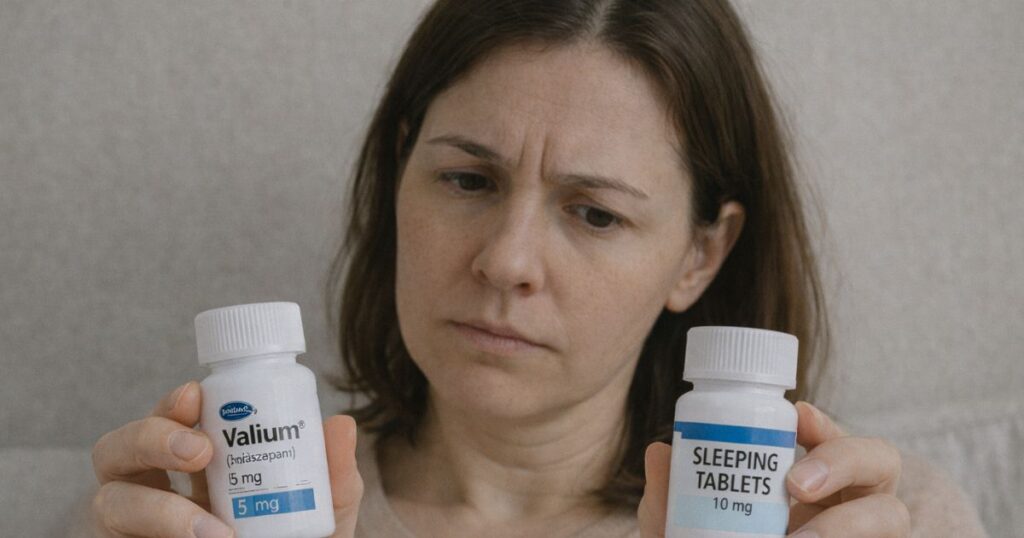
A Comprehensive Review of Valium for Anxiety Management: Efficacy and Safety
Valium is the well-known brand name for diazepam, a benzodiazepine medicine that may be prescribed for short-term relief of severe anxiety, panic symptoms, muscle spasms, and certain medical conditions. Because it can work quickly to calm intense symptoms, many patients ask about Valium for anxiety management—especially during acute periods of stress or panic.
At the same time, Valium is a controlled prescription medicine with important safety considerations. This review explores how Valium works, what “effectiveness” means in real-world treatment, and how clinicians balance benefits with risks such as dependence, sedation, and withdrawal.
What Is Valium and How Does It Work?
Valium (diazepam) works by enhancing the effect of GABA, a calming neurotransmitter that slows down overactive brain signals. When anxiety is severe, this can reduce both emotional distress and physical symptoms such as trembling, racing heartbeat, and muscle tension.
- Drug class: Benzodiazepine
- Common effects: Calmness, muscle relaxation, sedation
- Onset: Often within 15–60 minutes
- Duration: Long-acting, with effects that may last many hours
Valium’s long duration is one reason it is sometimes preferred over shorter-acting benzodiazepines for certain patients, but it also increases the need for careful dosing.
Efficacy: How Effective Is Valium for Anxiety?
When prescribed appropriately, Valium can be highly effective for short-term relief of acute anxiety and panic symptoms. Clinically, it is most useful in situations such as:
- Severe, distressing anxiety episodes that limit daily functioning
- Acute panic attacks or crisis periods
- Temporary support while long-term treatments (such as SSRIs or therapy) begin working
- Anxiety with significant muscle tension or agitation
Many patients describe fast relief of physical symptoms first—such as muscle tightness, shaking, and restlessness—followed by a calmer mental state.
Why Valium Is Not a Long-Term Anxiety Solution
Although it can be effective, Valium is not typically recommended for ongoing daily anxiety management. UK prescribing practice generally avoids long-term benzodiazepine use because:
- Symptoms may return when the medication wears off
- Tolerance can develop, reducing effectiveness over time
- Dependence risk increases with regular use
- Stopping suddenly can trigger withdrawal symptoms
For long-term anxiety control, clinicians usually prioritise treatments that address underlying patterns—such as therapy and first-line medicines like SSRIs.
Safety: Key Risks and Side Effects
Understanding Valium safety is essential before starting treatment. Common risks include:
Sedation and Impaired Coordination
- Drowsiness and fatigue
- Slowed reaction time
- Impaired balance and coordination
- Increased risk of falls (especially in older adults)
Patients should avoid driving or operating machinery until they know how Valium affects them.
Dependence and Tolerance
Regular use can lead to physical dependence. Over time, some people find the medication becomes less effective unless the dose increases, which can intensify risks.
Withdrawal Symptoms
Stopping Valium abruptly after prolonged use may lead to withdrawal symptoms such as rebound anxiety, irritability, insomnia, tremors, or agitation. Tapering under medical supervision is crucial.
Interactions With Alcohol and Other Sedatives
Combining Valium with alcohol, opioids, or other sedative medications can be dangerous and may cause severe respiratory depression. This is one of the most important safety warnings for any benzodiazepine.
Who Might Be a Suitable Candidate for Valium?
A clinician may consider Valium if you:
- Have acute, severe anxiety symptoms causing significant distress
- Need short-term relief while starting longer-term treatment
- Experience anxiety with physical tension or muscle spasms
- Have been assessed as low risk for misuse or dependence
Even for suitable candidates, Valium is generally prescribed in limited quantities and reviewed regularly.
Who Should Avoid Valium or Use Extra Caution?
- People with a history of substance misuse
- Those with respiratory conditions such as sleep apnoea
- Older adults at increased risk of falls or confusion
- Patients taking opioids or other sedatives
- Anyone who consumes alcohol regularly
A full medical review is essential before starting Valium for anxiety, especially in complex health situations.
Practical Tips for Responsible Valium Use
- Take Valium exactly as prescribed, at the dose and schedule provided.
- Avoid alcohol completely while using benzodiazepines.
- Do not combine with other sedatives unless your clinician approves.
- Use the lowest effective dose for the shortest necessary duration.
- Plan a taper with your clinician if stopping after regular use.
Responsible prescribing and patient awareness are key to safe diazepam for anxiety treatment.
Alternatives for Long-Term Anxiety Management
For ongoing anxiety, clinicians often recommend options such as:
- SSRIs or SNRIs (first-line medicines for many anxiety disorders)
- Buspirone in selected cases
- Cognitive Behavioural Therapy (CBT)
- Sleep optimisation, exercise, reduced caffeine, and stress reduction routines
These approaches can provide stronger long-term outcomes with fewer risks than benzodiazepines.
Frequently Asked Questions
How quickly does Valium work for anxiety?
Many people notice effects within 15–60 minutes, depending on dose and individual factors.
Can Valium be used every day?
Daily long-term use is generally discouraged due to dependence risk. Clinicians typically prescribe it short-term or intermittently.
Is Valium stronger than other benzodiazepines?
“Strength” depends on dose and potency. Valium is long-acting, which can feel stronger over time, but dosing is individualised.
What if Valium makes me too sleepy?
Contact your clinician. The dose may be too high, or another treatment may be more suitable.
Can I stop Valium suddenly?
Not safely if you’ve been taking it regularly. A taper plan under medical supervision is important to avoid withdrawal symptoms.
Final Thoughts
Valium for anxiety management can be effective for short-term relief of severe symptoms, especially in crisis periods or while transitioning to longer-term treatments. However, its risks—particularly dependence, sedation, and withdrawal—mean it must be used responsibly and under close clinical supervision.
If you are considering Valium or currently using it for anxiety, speak with a licensed healthcare professional to ensure your treatment remains safe, appropriate, and aligned with long-term wellbeing.