Sleeping Medications
Sleeping medications are commonly used to help individuals manage insomnia, disrupted sleep patterns and difficulty falling or staying asleep. Quality sleep is essential for mental clarity, emotional balance and physical health, and the right sleep medication can support healthier sleep cycles, reduce night-time awakenings and improve daytime functioning. When prescribed and used responsibly, modern sleeping medicines offer effective short-term relief and structured long-term support under professional supervision.
Types of Sleeping Medications
There are several clinically recognised categories of sleep medications, each designed to address specific sleep difficulties and underlying causes.
- Sedative-hypnotic medications
- Melatonin-based sleep aids
- Prescription sleeping tablets
- Over-the-counter (OTC) sleep aids
- Natural and herbal sleep supplements
Understanding these options helps patients and healthcare professionals choose the most appropriate treatment.
Sedative-Hypnotic Sleep Medications
Sedative-hypnotics are among the most commonly prescribed sleeping medicines. They work by calming the central nervous system, helping the body relax and promoting the onset and maintenance of sleep.
- Non-benzodiazepine sleep aids – commonly prescribed for short-term insomnia to help patients fall asleep faster and stay asleep longer.
- Benzodiazepine hypnotics – stronger prescription medicines used for more severe or acute sleep disturbances.
Due to the risk of tolerance and dependence, these medicines are typically prescribed for limited durations with careful medical monitoring.
Melatonin-Based Sleep Aids
Melatonin-based sleep medications support the body’s natural sleep–wake rhythm by influencing the internal biological clock. These treatments are particularly useful for circadian rhythm-related sleep issues.
- Delayed sleep phase disorder
- Jet lag-related sleep disruption
- Shift work sleep disorder
- Irregular or inconsistent sleep routines
Common options include:
- Melatonin supplements
- Valerian root and other herbal sleep remedies
- Natural sleep formulations designed to promote relaxation
These options are often used for mild to moderate sleep disturbances.
Prescription Sleeping Medications
For individuals with persistent or severe insomnia that significantly impacts daily life, healthcare professionals may recommend prescription sleeping medications.
- Benzodiazepine hypnotics
- Prescription sedatives
- Specialist sleep medicines targeting chronic insomnia
These treatments are prescribed only after careful assessment and require ongoing supervision to ensure safety and effectiveness.
Over-the-Counter (OTC) Sleep Aids
OTC sleep aids are often used for short-term or occasional sleep difficulties, such as stress-related insomnia or temporary sleep disruption.
- Antihistamine-based sleep aids
- Mild sedative formulations
While easily accessible, these products should still be used responsibly and not relied upon for long-term sleep management.
Additional Sleep Support Options
Many patients explore complementary sleep support products to encourage relaxation and improve sleep quality without strong sedative effects.
- Magnesium sleep supplements
- Sleep patches
- Sleep gummies
- Herbal calming blends
These options may support relaxation and bedtime routines but are not substitutes for prescribed medication when clinical treatment is required.
Holistic Sleep Health Management
Effective long-term sleep improvement often involves a combined approach that addresses both symptoms and underlying causes.
- Sleeping medication where clinically appropriate
- Relaxation techniques such as mindfulness or breathing exercises
- Lifestyle changes including reduced screen time and consistent sleep schedules
- Sleep environment optimisation such as temperature, lighting and bedding improvements
This integrated strategy supports sustainable sleep health and overall wellbeing.
Frequently Asked Questions
What is the most effective medication for insomnia?
The most suitable option depends on the cause and severity of insomnia. Common treatments include sedative-hypnotics, melatonin-based aids or prescription sleep medicines recommended by a healthcare professional.
Are OTC sleep aids safe?
Yes, when used occasionally and as directed. They are generally intended for short-term sleep issues rather than chronic insomnia.
Do natural sleep supplements work?
Melatonin, magnesium and herbal supplements may help mild sleep problems but are usually less effective for severe or long-term insomnia.
Can sleeping medications cause dependence?
Some prescription sleep medicines can cause dependence if used long term, which is why medical supervision is essential.
How long should sleeping medication be used?
Most sleeping medicines are intended for short-term use. Long-term treatment should only occur under professional guidance.
Is it safe to drink alcohol with sleep medication?
No. Combining alcohol with sleeping medication can be dangerous and significantly increase the risk of side effects.
https://www.parkinsons.org.uk/information/symptoms/non-motor/sleep/medication
MSJ Diazepam Tablets 10mg
ValiumPrice range: £8.50 through £85.00Read moreSold in quantities of 10 +
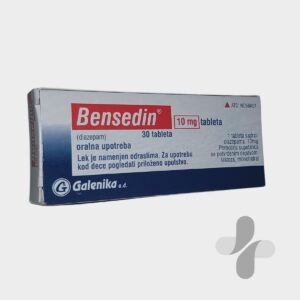
Diazepam Bensedin Tablets 10mg
ValiumPrice range: £20.00 through £400.00Read moreSold in quantities of 15 +

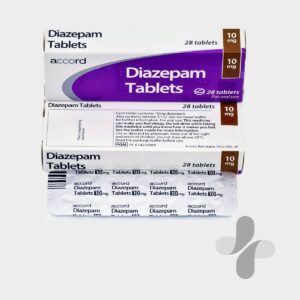
Accord Diazepam Tablets 10mg
ValiumPrice range: £25.00 through £500.00Select options This product has multiple variants. The options may be chosen on the product pageSold in quantities of 14 +
- -30% Out of stock
Martin Dow Valium 10mg
ValiumPrice range: £20.00 through £500.00Select options This product has multiple variants. The options may be chosen on the product pageSold in quantities of 10 +