Pain Medications
Pain medications are a vital part of modern healthcare, helping patients manage acute pain, chronic pain and recovery-related discomfort. When prescribed or selected appropriately and used under medical guidance, these treatments support effective pain control, improved mobility and a better overall quality of life for patients experiencing short-term or long-term pain conditions.
Types of Pain Medications
Pain relief medicines are generally grouped into two main categories, based on strength, accessibility and intended use.
- Over-the-counter (OTC) painkillers
- Prescription pain medications
Each category addresses different pain intensities, from mild everyday aches to severe or persistent pain requiring clinical supervision.
Over-the-Counter (OTC) Pain Relief
OTC pain medications are commonly used for mild to moderate pain and are widely accessible. They are effective when taken correctly and according to recommended guidelines.
- Paracetamol (acetaminophen) – Often used for headaches, fever and mild to moderate pain.
- Ibuprofen – A nonsteroidal anti-inflammatory drug (NSAID) effective for muscle pain, joint pain and inflammation.
- Aspirin – Used for minor aches, inflammation and fever relief.
These non-prescription painkillers are generally well tolerated when used responsibly.
Prescription Pain Medications
For moderate to severe pain, ongoing discomfort or pain linked to injury, surgery or chronic illness, healthcare professionals may prescribe stronger medications.
- Opioid analgesics such as tramadol, codeine or morphine
- Prescription-strength NSAIDs for inflammatory pain conditions
- Muscle relaxants for muscle spasms and severe tension
- Nerve pain medications for neuropathic pain and nerve-related conditions
These treatments provide effective relief but require careful monitoring to ensure safe and appropriate use.
Common Pain Relief Options
Pain medications are selected based on the cause, severity and duration of pain. Commonly used options include:
- NSAIDs – Reduce inflammation and manage conditions such as arthritis, back pain and sports injuries.
- Acetaminophen – Helps block pain signals and is commonly used for headaches and fever.
- Opioids – Reserved for severe pain and prescribed only when necessary due to their controlled status.
A healthcare professional will determine the most suitable option based on individual patient needs.
Topical Pain Relief Products
Topical pain relief solutions provide targeted treatment and are often used for localised discomfort with reduced systemic exposure.
- Pain relief creams
- Pain gels
- Pain patches
These products are particularly useful for muscle aches, joint pain and inflammation in specific areas.
Modern Pain Management Approach
Effective pain management often involves a combination of treatments tailored to the patient’s condition and lifestyle.
- Pain medications for symptom control
- Physical therapy to improve movement and strength
- Lifestyle adjustments such as exercise and posture management
- Complementary therapies including massage or acupuncture
This integrated approach helps reduce pain levels while supporting long-term recovery and functional improvement.
Safe Use and Responsible Access
All pain medications should be obtained from regulated pharmacies and used exactly as directed. Consulting a healthcare professional before starting, stopping or combining pain treatments is essential, particularly for chronic or long-term pain management.
Frequently Asked Questions
What types of pain medications are most commonly used?
Common options include NSAIDs, acetaminophen, opioids, muscle relaxants and nerve pain medications.
Are OTC painkillers effective for chronic pain?
They may help mild chronic pain, but moderate to severe chronic pain often requires prescription treatment.
Are opioids safe for pain relief?
Yes, when prescribed and closely monitored by a healthcare professional due to their strength and potential risks.
What is considered the safest pain medication?
Acetaminophen is considered safe for many patients when taken correctly, but suitability varies by individual health factors.
Can different pain medications be taken together?
Only if approved by a healthcare professional, as combining medicines can increase side-effect risks.
Are topical pain relievers effective?
Yes. They are commonly used for localised muscle, joint and inflammatory pain and may have fewer systemic effects.
https://www.arthritis-uk.org/information-and-support/understanding-arthritis/arthritis-treatments/drugs/painkillers-and-nsaids/
MSJ Diazepam Tablets 10mg
ValiumPrice range: £8.50 through £85.00Read moreSold in quantities of 10 +
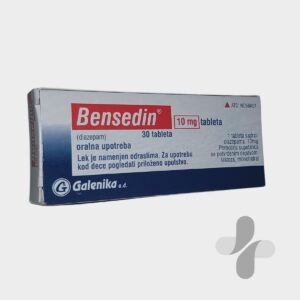
Diazepam Bensedin Tablets 10mg
ValiumPrice range: £20.00 through £400.00Read moreSold in quantities of 15 +

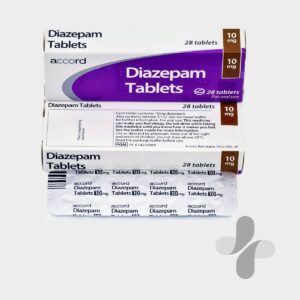
Accord Diazepam Tablets 10mg
ValiumPrice range: £25.00 through £500.00Select options This product has multiple variants. The options may be chosen on the product pageSold in quantities of 14 +
- -30% Out of stock
Martin Dow Valium 10mg
ValiumPrice range: £20.00 through £500.00Select options This product has multiple variants. The options may be chosen on the product pageSold in quantities of 10 +